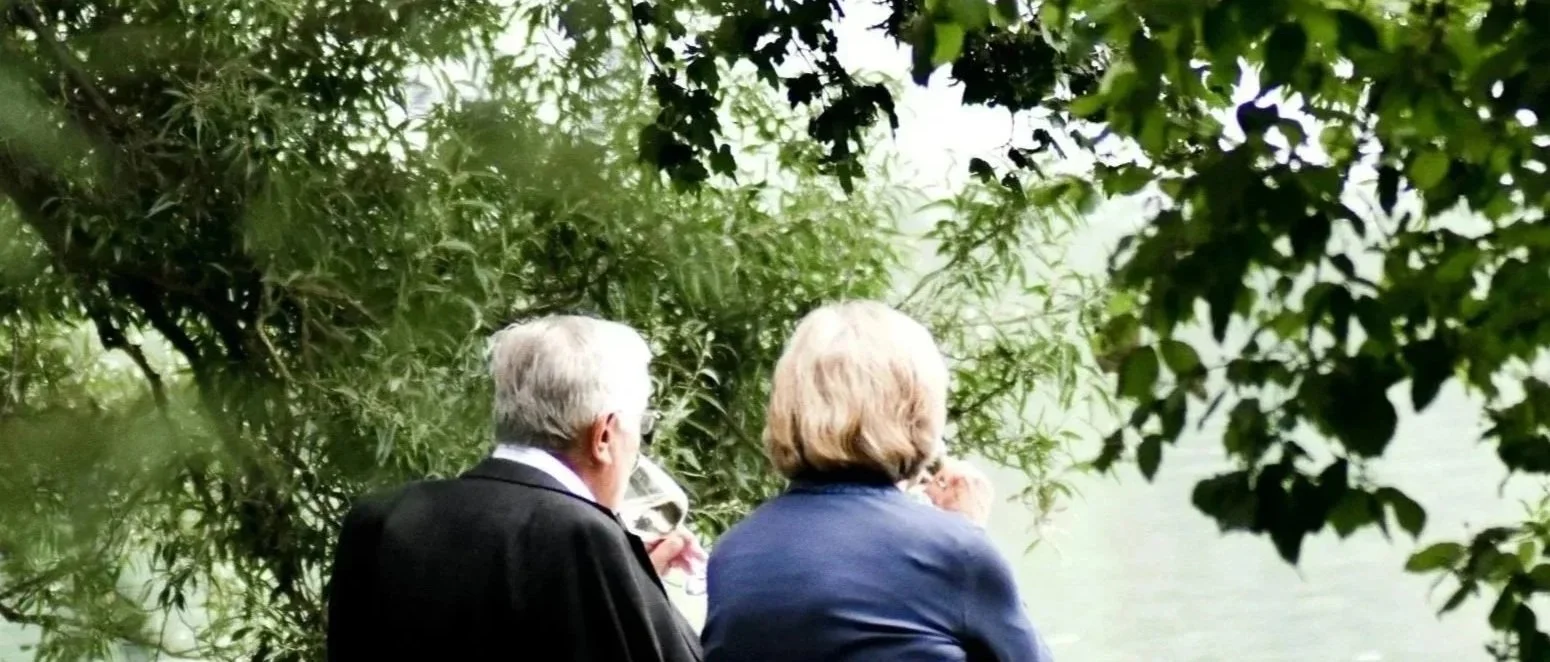
Therapy isn’t about settling for less with age.
It’s about finding steadiness and clarity, and staying open to peace and quiet joy in life’s later chapters.
To the Later Life Adult — The Individual in Transition, The Caregiver, The One Redefining What Comes Next
Later life is often spoken about as a season of slowing down. In reality, for many in their 60s and beyond, it is rarely still.
This stage of life can hold a quiet complexity. You may be adjusting to retirement, or to work that no longer defines your days in the same way. You may be caring for ageing parents while also noticing shifts in your own health, energy, or independence. You may be navigating loss of a partner, friends, or familiarity, alongside the subtler losses that are harder to name such as identity, routine, or role.
Life does not stop asking for adaptation.
The Myth of “Settled” Life
There is often an expectation that by this stage, things should feel settled. Complete. More predictable.
Yet for many, later life is a period of ongoing transition. Children are grown. Roles have shifted. The structures that once organised daily life may no longer be there in the same way, and what replaces them is not always clear.
In Singapore’s fast-moving culture, this can feel particularly disorienting. The external world continues at pace, while internally there may be a quieter process of recalibration, loss, and redefinition unfolding.
The “Just Manage” Approach Becomes Harder to Sustain
Many people in this stage of life are highly resilient. You have spent decades adapting, providing, and holding things together for others.
But resilience alone can become draining when it is repeatedly relied upon without space to process what is changing.
Short-term coping strategies such as staying busy, minimising discomfort, or pushing through emotional weight may help things function on the surface. Over time, though, they can leave little room for integration or emotional processing.
Later life often calls for something different. Not just managing, but making sense.

An Anchor in Ongoing Change
Later life is not the absence of change. It is a different kind of change. Often quieter, less visible, and more internal, but no less significant.
While external circumstances may continue to shift, the focus becomes how you relate to those changes internally. How you stay flexible without feeling unanchored. How you remain connected to yourself as life evolves around you.
Therapy becomes an anchor in this process. Not to hold things still, but to help you remain steady as they move.
Continuity of Care, Wherever Life Takes You
If you move between countries to be closer to family, or spend time across different locations, telehealth sessions allow continuity without disruption. There is no need to restart your story or rebuild trust each time life changes geography. The work continues with familiarity, coherence, and depth already established.
Therapy as a Space for Reflection & Integration
Therapy at this stage is not about fixing what is broken. It is about understanding what is shifting.
It offers a structured, steady space to reflect on the life you have lived, and the life you are living now. To hold achievement and grief in the same conversation. To explore identity beyond long-held roles such as worker, parent, or caregiver, and to gently consider what remains when those roles change form.
This is not about starting over. It is about integrating.
The Value of an Objective, Grounded Relationship
What is often needed at this stage is not reassurance, but clarity. Not advice, but a space that can hold complexity without rushing to simplify it.
In our sessions, we move beyond immediate concerns and into the deeper structure of your experience. We may explore how to adapt when the body changes in unexpected ways. How grief can arrive in waves rather than stages. How identity shifts when roles reduce or evolve. How to stay connected to meaning when life becomes quieter, but not necessarily easier.
This is reflective work. Measured work. Work that respects the depth of a life already lived.
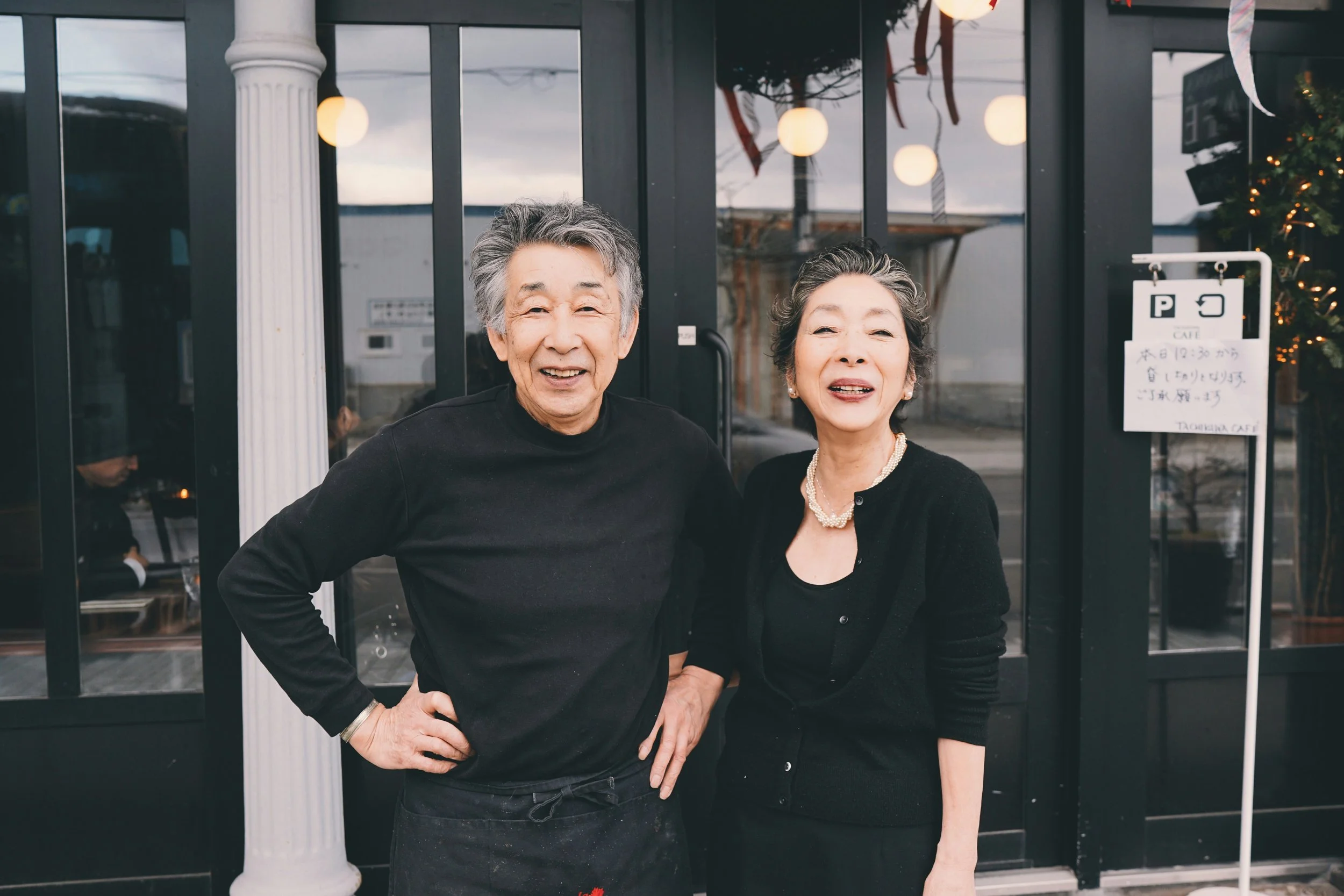
This is not about beginning again. It is about continuing, with support, into what comes next.
Let’s work together to honour a life already fully lived, and offer steady, gentle support as you navigate this next season with comfort, clarity, and care.